The foreign exchange market operates almost around the clock, running 24 hours a day, five days a week. This constant activity creates endless opportunities for traders to capitalize on currency movements. However, market knowledge and a solid strategy alone aren’t enough. Success in home-based forex trading depends on having the right tools at your disposal. Fortunately, modern technology has leveled the playing field, giving individual traders access to sophisticated resources once reserved for institutions. Whether you’re just starting out or refining an advanced setup, understanding which tools are truly essential will help you build a strong foundation for your trading journey.
Professional Trading Platform Software
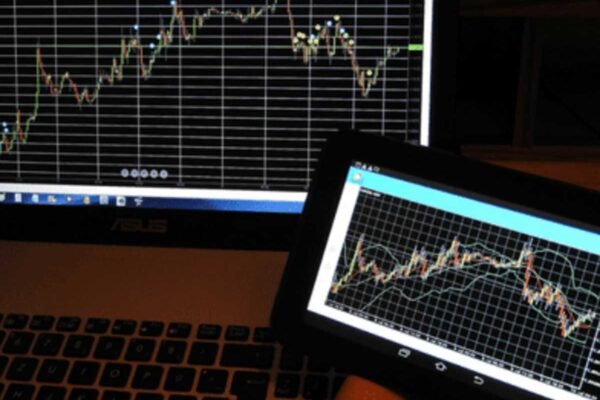
Your trading platform is the heart of your operation—the gateway to the markets. A reliable platform should offer robust charting tools, a wide range of technical indicators, and the ability to automate trades through customizable features. Flexibility is key; the best platforms allow you to tailor your workspace to fit your trading style, ensuring efficiency and precision in every decision.
Economic Calendar and News Feed Services
Staying informed about economic events and market-moving news is critical for any trader. An economic calendar highlights when major indicators—such as GDP figures, employment reports, interest rate decisions, and inflation data—are scheduled for release. These announcements can trigger significant currency fluctuations. Comprehensive calendars with real-time updates and historical comparisons provide valuable context, helping traders anticipate volatility and plan accordingly.
Technical Analysis and Charting Tools
While most trading platforms include basic charting capabilities, serious traders often need more advanced tools. Specialized charting software enables analysis across multiple timeframes, identification of complex patterns, and application of proprietary indicators not found in standard platforms. Features like organized watchlists, customizable templates, and technical alerts streamline workflow and improve decision-making. For those engaged in forex day trading and other rapid, short-term strategies, tools that process real-time data and highlight fleeting opportunities are indispensable. Supplementary charting solutions can offer fresh perspectives on market structure, while screen recording and annotation tools help review trades and refine strategies over time.
Risk Management and Position Sizing Calculators
Protecting your capital is more important than chasing big wins. Risk management tools are essential for maintaining consistency and longevity in trading. Position sizing calculators remove guesswork by determining the appropriate lot size for each trade based on account size, risk tolerance, and stop-loss levels. This ensures you risk a consistent percentage across all positions—a cornerstone of sustainable trading.
Reliable Internet Connection and Hardware Infrastructure
The technical backbone of your trading setup is often overlooked but absolutely vital. Connectivity issues or hardware failures can lead to missed opportunities or unmanaged losses. A fast, stable internet connection is non-negotiable, and many traders maintain backup solutions such as mobile hotspots or secondary connections for added security. Reliable hardware ensures smooth execution and minimizes disruptions during critical market moments.
Conclusion
Building a comprehensive forex trading setup at home requires thoughtful investment in the right mix of software, tools, and infrastructure. The five categories outlined—trading platforms, economic calendars, technical analysis tools, risk management calculators, and dependable hardware—form the foundation for professional-level operations. While the initial setup may seem daunting, implementing these tools systematically will enhance efficiency, improve decision-making, and boost consistency. Remember, expensive tools don’t guarantee success. What matters most is mastering the fundamentals and selecting tools that align with your trading style. Start with the basics, then layer in advanced resources as your experience and account size grow. Always prioritize reliability and functionality over flashy features that add little practical value.