Tokyo doesn’t unfold all at once. It reveals itself in layers—a quiet shrine behind a neon-lit street, a century-old tea shop next to a glass high-rise, a pocket garden tucked between concrete walls.
For many international readers, the idea of living here feels romantic, cinematic even. But finding the right apartment in Tokyo is less about fantasy and more about understanding how this city actually works.
If you’re researching apartments in Japan Tokyo, whether for relocation, part-time living, or long-term investment, here’s what truly matters.
Tokyo Living Is Compact and Intentional
The first surprise for most newcomers isn’t price. Its size.
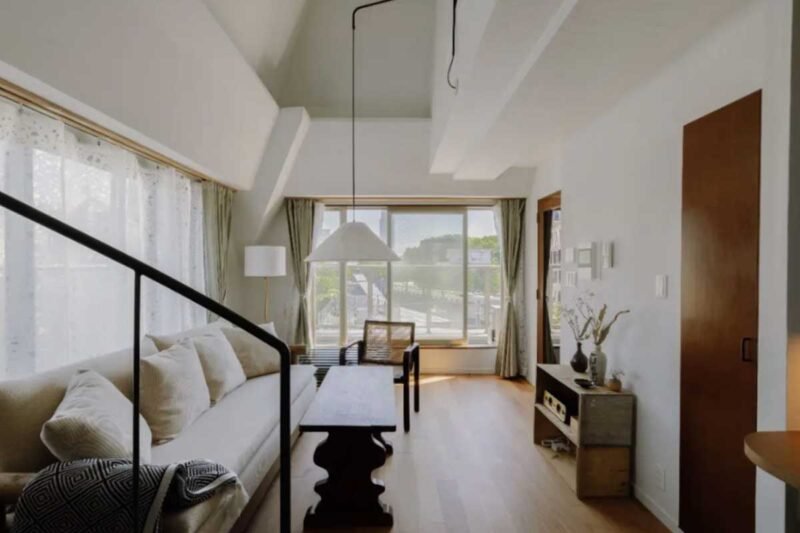
Apartments in Tokyo are typically smaller than what many Western renters or buyers are used to. A comfortable one-bedroom might range between 25 and 40 square meters. But what initially feels compact often reveals itself as carefully engineered.
Storage is built in. Layouts are efficient. Kitchens are designed for precision rather than sprawl. Bathrooms are modular and technologically advanced. The emphasis is on flow and function, not excess.
This design philosophy reflects a broader cultural value: intentional living. You keep what you use. You design around movement. You prioritize proximity to the city over square footage.
And in Tokyo, proximity is everything.
Choosing the Right Neighborhood Is Everything
Tokyo isn’t one city. It’s a constellation of distinct districts, each with its own personality and pace. The right apartment isn’t just about the unit; it’s about the surrounding ecosystem.
Here’s how to think about it strategically:
For Energy and Access
Shibuya and Shinjuku offer unmatched connectivity and nightlife. If your lifestyle revolves around business meetings, late dinners, and walkable transit hubs, these districts deliver. Prices are higher, but convenience is unparalleled.
For Balance and Livability
Meguro, Setagaya, and Ebisu provide residential calm without sacrificing access. Tree-lined streets, neighborhood cafes, and a slower rhythm appeal to professionals and families who want breathing room within city limits.
For Culture and Aesthetics
Daikanyama and Nakameguro attract design enthusiasts and creatives. Boutique shops, riverside walks, and curated interiors define the vibe. These neighborhoods feel less corporate and more curated.
For Value with Character
Areas slightly west of central Tokyo—including Kichijoji—offer more space at comparatively moderate prices while still providing strong train access and community charm.
The key question isn’t simply “Where is popular?” It’s:
- Do you need rapid transit access?
- Are you buying for lifestyle or investment yield?
- Will you commute daily or work remotely?
- Is walkability more important than size?
When searching for apartments in Japan Tokyo, your location decision will shape your experience more than any interior feature.
Renting vs. Buying: What International Residents Should Know
Tokyo’s property system has nuances that surprise foreign residents.
Renting
Initial move-in costs can feel substantial. Expect several months’ rent upfront to cover deposit, agency fees, and other customary charges. Some properties may still include key money, though this is becoming less common in certain areas.
Many units come unfurnished—sometimes without appliances or light fixtures. It’s normal here, but it requires planning.
The rental application process may also involve a guarantor or guarantor company. For foreign residents without local connections, professional assistance can make the process significantly smoother.
Buying
Here’s where Tokyo becomes particularly interesting.
Foreign nationals are legally permitted to purchase property in Japan with relatively few ownership restrictions. That surprises many international buyers.
Pricing varies dramatically depending on age, building quality, and location. New builds in prime districts command premium prices. Older units—even in strong locations—may offer compelling value due to Japan’s cultural preference for newer construction.
From an investment perspective, central Tokyo has demonstrated long-term resilience, supported by limited land supply and consistent domestic demand.
For international buyers navigating contracts, building management structures, and financing options, working with a specialist who understands both Japanese regulations and global buyer expectations can streamline the process significantly.
Buyers researching available apartments in Japan Tokyo, can explore current Tokyo property listings to better understand pricing, layouts, and neighborhood variations before making a visit.
The Hidden Value of Transportation
Tokyo’s train system is the city’s circulatory system. Living five minutes from a major station versus fifteen minutes can completely change daily life.
When evaluating apartments in Japan, always check:
- Walking time to the nearest station
- Which train lines run there
- Transfer frequency
- Last train times
A slightly smaller apartment near a major line often outperforms a larger one in a less connected area—both for lifestyle and resale value.
Transit access is one of the strongest drivers of property desirability in Tokyo.
Technology Meets Tradition at Home
Modern Tokyo apartments often include features that feel futuristic — a contrast that often surprises international residents encountering Japanese housing for the first time. As explored in
A Foreign Perspective on What Makes Japanese Homes Unique, this blend of advanced technology and traditional design is a defining characteristic of modern living in Japan.
Modern features often include:
- Smart bath systems that auto-fill to a precise temperature
- Heated toilet seats with integrated bidet controls
- Video intercom security systems
- High-efficiency climate control systems
Traditional elements remain deeply embedded in daily life, such as genkan entryways where shoes are removed, sliding doors, and in some units, tatami rooms.
This blend of innovation and heritage creates a uniquely Japanese domestic experience. It’s practical, elegant, and quietly sophisticated.
Seasonality Changes the Experience
Tokyo has distinct seasons, and your apartment will feel them.
Summers are humid, making strong air conditioning essential. Winters are relatively mild but often require individual heating systems rather than central heating.
Spring transforms neighborhoods with cherry blossoms. Autumn brings crisp air and vibrant foliage. Living here means experiencing the city’s natural rhythm—not just its skyline.
When viewing properties, consider natural light and ventilation carefully. These affect comfort more than you might expect.
Lifestyle Return on Investment
Beyond numbers, what does Tokyo actually offer?
Density creates possibility. You can walk to a late-night ramen shop, find a bookstore open past midnight, or discover a tiny jazz bar hidden on the third floor of an unmarked building.
Your apartment becomes a launchpad for exploration.
The convenience of daily life—reliable public transportation, neighborhood grocery stores, exceptional safety—often surprises newcomers more than the architecture does.
For globally mobile professionals, creatives, and investors, Tokyo offers something rare: a city that feels both hyper-modern and deeply grounded in ritual.
That duality creates staying power.
Practical Steps Before You Commit
If you’re seriously exploring apartments in Japan:
- Visit neighborhoods at different times of day.
- Study building age and management quality.
- Review long-term maintenance fees if purchasing.
- Understand resale trends in the area.
- Clarify whether your goals are lifestyle-driven or investment-driven.
Tokyo rewards preparation.
And while the process may feel unfamiliar at first, transparency in documentation and clear property registration systems make transactions relatively straightforward once you understand the structure
The Bigger Picture
Finding an apartment in Tokyo isn’t just a housing decision. It’s a lifestyle shift.
You’re choosing proximity over sprawl. Precision over excess. Efficiency over spectacle.
The right space won’t just be square meters on a floor plan. It will shape your morning routine, your commute, your evening walks, and your connection to the city.
And once you begin exploring apartments in Japan, Tokyo, with clarity—understanding neighborhoods, transit, ownership rules, and long-term value—the process becomes less overwhelming and more strategic.
Tokyo isn’t chaotic. It’s layered.
When you find the right place within it, the city doesn’t feel vast anymore. It feels navigable. Personal. Surprisingly intimate.
And that’s when it stops being a destination and starts becoming home.