Building a memorial space at home after someone dies gives families a simple way to remember and feel close to them. A home memorial can be a group of favourite photos, a spot with a few keepsakes, or even a special chair decorated with loved items. The act of choosing these things and setting them out helps people find comfort, especially when guided by ideas on organizing home spaces during grief. Often, having a spot set aside for memories can make it easier for families as they heal from loss.
Setting up a home memorial does not require complicated planning. These areas might change as time passes. Families sometimes add or remove things or move items around as their feelings and daily life change after their loss.
Finding the right balance between remembrance and daily life presents a challenge for each household. Some prefer subtle reminders throughout their home. Others create dedicated areas for reflection and remembering.
Why Home Memorial Spaces Aid the Grief Journey
Establishing a memorial space at home offers practical support for those moving through grief. Having physical reminders of a loved one, such as treasured objects or well-chosen photographs, helps mourners stay connected and ease the transition that comes with loss. These spaces function in several helpful ways. They give families a specific location to reflect and share memories, support regular rituals like lighting a candle or arranging seasonal decorations, and adapt as needs change.
Unlike the one-off nature of funeral services, a home memorial shifts with each stage of grief. Households can modify what is displayed or how the space is used, allowing the memorial to remain supportive over time instead of feeling static or forced.
Information about memorial options that fit alongside formal services is available from Funeral Home & Cremation Reading PA. Many people find that keeping objects connected to loved ones can provide comfort and support during the grieving process.
Simple habits like lighting a candle, playing a favourite piece of music, or quietly sitting in the dedicated space make the grief journey less isolating while building positive routines through mourning.
The Science Behind Memorial Objects and Grief
Physical objects tied to deceased loved ones can help mourners maintain ongoing bonds and may support adjustment after loss. Having an object with a direct connection, such as a piece of jewellery, a photo, or something handled often by the loved one, can serve as a daily comfort during adjustment, especially during anniversaries or difficult periods.
Transitional objects like personal belongings or photos may act as bridges between tangible presence and absence. A real-world application involves using a favourite item in a daily ritual, such as lighting a candle beside a cherished photo, which can provide both structure and emotional security.
Engaging senses through touch, smell, or sight when interacting with memorial objects may strengthen emotional bonds. For instance, holding a sweater that retains the loved one’s scent can link memory and emotion, supporting healthy grief expression. This practice, often recommended by bereavement professionals, may help grieving individuals feel ongoing connection over time and encourage acceptance of loss without feeling isolated.
Essential Elements of a Meaningful Home Memorial
Setting up a comforting memorial space begins with picking the right place in the home. A memorial tucked away may not feel supportive in daily life, yet too prominent a spot can seem overwhelming to some.
Many families opt for a corner in the living room, a shelf in a hallway, or a dedicated side table that balances access with a sense of discretion. For apartments, a compact console table or a well-placed shelf may be more suitable than a larger piece of furniture.
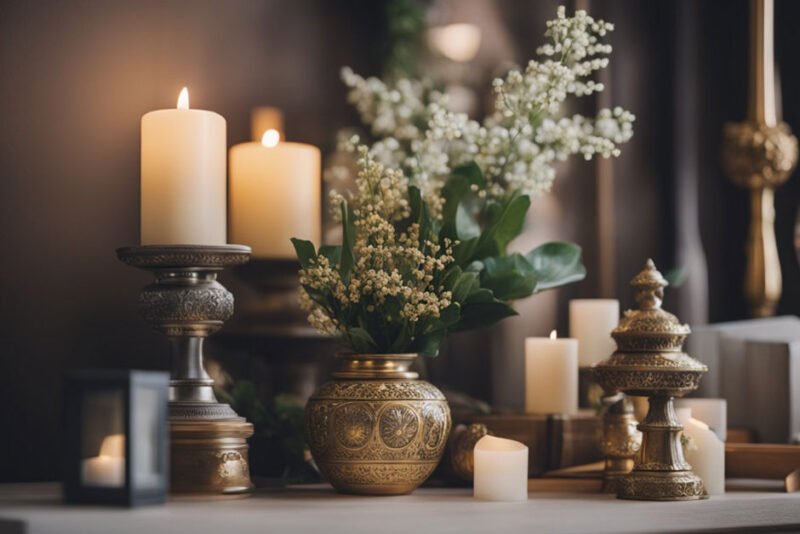
Memorials at home usually combine photographs, personal effects, and meaningful symbols. Photographs capture expressions and life stages. Items such as a favourite novel, knitting needles, a piece of clothing, or a pocket watch often hold personal importance, echoing thoughtful ways of incorporating memorial elements into home decor. Many people add candles, potted plants, or faith-based items, as these commonly represent hope or a feeling of continuity within the space.
Practical details matter as well. The size of the home and daily foot traffic will influence where a memorial fits best. In high-traffic rooms, robust items with simple lines are easier to keep clean, or delicate pieces can be put behind glass.
Personalising Your Memorial Space
Memorial spaces become more meaningful through items that reflect positive memories and personal connections. Photographs from joyful occasions, objects from shared events, and items illustrating interests or hobbies create a lasting link between the deceased and those who remember.
Spaces displaying several photos from different periods can help capture a range of life stages and personality traits, broadening the sense of connection held within the memorial.
Sensory elements can strengthen these bonds. Soft lighting often creates an atmosphere of peace. Scented elements such as candles or potpourri in a preferred fragrance may stir vivid memories. Tactile features like a piece of worn clothing, a textured blanket, or a smooth stone can offer comfort through touch and serve as grounding elements during moments of reflection, echoing ideas from heartfelt home memorial inspirations.
The choices for personalisation often depend on relationship roles. A memorial dedicated to a parent might include items representing guidance and care, such as a cherished recipe card or a frequently used tool. Memorials for a child sometimes hold artwork, favourite toys, or height charts that mark special milestones.
Memorial Space Ideas for Different Living Situations
Many apartment residents have created compact and meaningful memorials by using vertical space. Wall-mounted shelves or memory boxes allow families in apartments to dedicate a memorial area even when floor space is limited. Digital photo frames help those with very limited space rotate through multiple images on a single device.
For those seeking a discreet option, placing a framed picture beside a personal item such as a watch or small ornament on a bedside table provides a private and respectful point of remembrance within even the smallest homes. Funeral professionals have observed that these simple memorials work well in apartments, letting families create a place of tribute in homes of any size.
Outdoor spaces offer natural settings for memorials. A small garden with their favourite plants, a bird feeder for nature lovers, or a bench with a memorial plaque creates living tributes that change with the seasons. Container gardens on balconies or patios work well for those without yards.
Digital memorials provide solutions for those who move frequently or wish to share tributes with people in other regions. Memorial websites, digital albums, or dedicated private groups let friends and family participate in remembrance from different locations.
Seasonal and Holiday Adaptations
Holidays can increase feelings of grief, which may make the role of memorial spaces feel even more central during festive seasons. Many families include memories of those who have died by adding commemorative touches to holiday decorations. Examples include hanging a stocking with a cherished ornament inside, placing a photo in a holiday-themed frame, or featuring a preferred dish from past celebrations on the table.
Such changes can provide gentle reminders of those who are missed and offer continuity with family traditions.
Observances like birthdays and anniversaries often lead to the addition of temporary elements in memorial spaces. Lighting a candle on a significant date, preparing a favourite meal, or visiting a special place are common practices. Adjusting the memorial space for these occasions shows ongoing importance in collective family life, similar to ideas shared in holiday grief rituals that bring comfort during festive seasons.
These changes may help households process the emotional impact of milestone days and draw family members together. Adding special remembrances can transform holidays from sources of pain into opportunities for connection and meaningful reflection on the person being honoured.
How Memorial Spaces Evolve Through the Grief Process
Memorial spaces naturally change over time, reflecting the shifting nature of grief. Initially, many people create more elaborate displays with numerous photos and objects. As grief becomes part of their lives, some choose to simplify these spaces while maintaining their core meaning.
There is no timeline for when or how to change memorial elements. Some families maintain elaborate memorials for years, while others gradually include personal remembrance spaces at home as part of their daily environment.
Children and Memorial Spaces
Children’s role in honouring memories is supported by involving them in memory-making rituals and creative projects. For example, a child may create a “memory jar” with notes and small objects, using it to place messages or drawings whenever they miss their loved one. This hands-on process provides a way to express feelings and keeps their connection vivid.
Children may move between intense grief and everyday play with more flexibility than adults. They might sit by a memorial, then shift back into daily activities. This ability to blend remembrance and routine can help model healthy change for adult family members.
These creative approaches allow young people to contribute in a way that feels meaningful to them and can be adapted as they grow.
Creating a home memorial isn’t only about remembering loss, but about sustaining love in everyday life. Whether it’s a quiet corner, a candlelit ritual, or a child’s drawing, these gestures keep connection alive. Grief changes, yet the meaning within these spaces endures, reminding families that love, once lived, continues to shape their home.