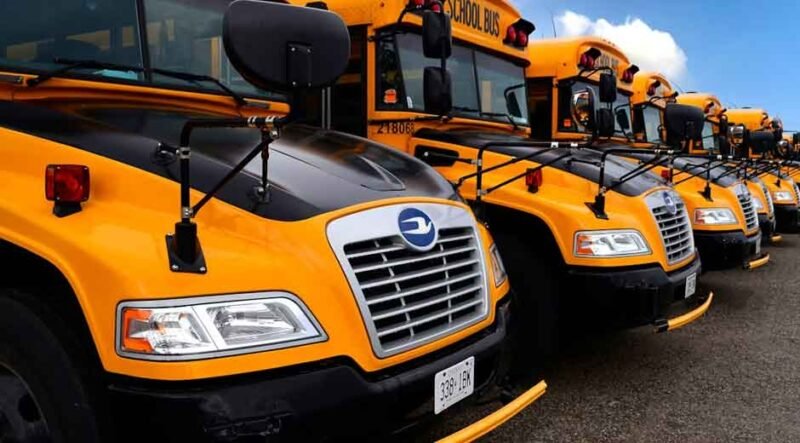
Running a school bus transportation business means juggling careful planning, strict safety protocols, and smart financial decisions every single day. But here’s the uncomfortable truth: even the most diligent operators aren’t immune to risks that could put their entire operation in jeopardy. One major claim, whether it’s from a serious accident, a costly injury lawsuit, or significant property damage, can generate expenses reaching into the hundreds of thousands, sometimes millions of dollars. What many operators don’t realize is that the financial fallout stretches far beyond just settling the claim itself.
The True Cost of Major Claims in School Transportation
The price tags attached to major claims in this industry tend to shock operators who haven’t lived through one. When a serious accident involves injuries to multiple students, you’re looking at medical expenses that pile up fast, legal fees that don’t quit, and settlement costs that escalate beyond anyone’s initial estimates. Catastrophic injuries require ongoing medical care that can reach into the millions, think long, term treatment, extensive rehabilitation, and care that continues for years. Legal defense alone for a major liability case? You’re typically looking at $50, 000 to $200, 000, and that’s before any settlement or judgment gets paid.
Common Scenarios That Generate Catastrophic Claims
Knowing which specific situations lead to business-threatening claims helps you spot your biggest vulnerabilities before they become disasters. Intersection accidents represent some of the highest-risk moments in school transportation, particularly when another vehicle runs a red light or blows through a stop sign, often injuring multiple students in the process. Backing accidents in school parking lots or residential neighborhoods have resulted in heartbreaking fatalities and claims reaching into the millions, especially when visibility gets compromised or proper spotting procedures go out the window. Student injuries during boarding or exiting create substantial liability exposure, particularly if you failed to properly secure the loading zone or a passing vehicle strikes a child.
The Gap Between Basic Coverage and Adequate Protection
Too many school bus operators stick with the bare minimum insurance required by state regulations and school district contracts, wrongly assuming this coverage provides real protection when things go wrong. State minimum liability requirements usually range from $1 million to $5 million per occurrence, which sounds pretty substantial until you’re staring down a major claim involving permanent disabilities or multiple victims. Here’s the reality: a single severe injury claim can blow past these minimums without breaking a sweat, leaving your business, and you personally, liable for the difference. Basic commercial auto policies frequently contain exclusions and limitations that catch operators completely off guard during claim settlements. You might discover reduced coverage for certain accident types, exclusions for specific driver behaviors, or gaps in protection during non-route operations that nobody mentioned when you signed up. When transporting students across multiple school districts, operators rely on school bus insurance that addresses their comprehensive liability exposures and operational requirements. Without umbrella or excess liability coverage, successful businesses actually face greater vulnerability, more assets mean bigger targets in liability judgments. Many operators also overlook crucial protections like comprehensive physical damage coverage, adequate workers’ compensation for drivers, and employment practices liability insurance. The harsh truth about underinsurance? You only discover it after a major claim, when your attorney explains that your home and retirement accounts might be at risk to satisfy judgments exceeding your policy limits.
Building Financial Resilience beyond Insurance
Proper insurance forms your foundation, sure, but truly resilient school bus operations layer on multiple financial protections. Start by establishing cash reserves equivalent to at least three to six months of operating expenses, this buffer helps you handle unexpected costs and keeps operations running during claim, related disruptions. Diversifying revenue streams beyond a single school district contract reduces the devastating impact of losing that contract after an incident. Strong relationships with your bank and pre, approved credit lines ensure you can access capital when sudden expenses pop up without warning.
Warning Signs Your Business Is Vulnerable
Several red flags suggest your school bus operation might not survive a major claim, and catching them early gives you a fighting chance to fix things. If your current insurance premiums already strain your budget, you probably can’t afford adequate coverage limits and are likely significantly underinsured. Operators who haven’t reviewed their coverage in over two years often maintain outdated policies that don’t reflect current operations, actual vehicle values, or real liability exposures. Relying on a single insurance agent without regularly shopping around for coverage options and competitive pricing can result in dangerous gaps or excessive costs you don’t need to pay.
Creating a Comprehensive Protection Strategy
Surviving a major claim demands a proactive, multi-faceted approach to risk management that tackles both prevention and financial protection head-on. Start with a thorough insurance review conducted by specialists who genuinely understand the unique exposures school transportation operations face. This review should assess whether your liability limits adequately protect your current assets, whether physical damage coverage reflects actual vehicle values, and whether you need specialized coverages like student accident insurance or non-owned auto protection. Roll out rigorous safety programs that include quarterly driver training sessions, monthly vehicle inspections, telematics monitoring of driver behavior, and immediate investigation of all incidents, yes, even the minor ones.
Conclusion
The question isn’t whether major claims happen in the school bus industry, they absolutely do, with sobering regularity, but whether your business has built sufficient resilience to survive when one inevitably occurs. The combination of adequate insurance coverage, strong safety programs, financial reserves, and strategic planning creates the foundation for long-term survival in this challenging industry. Operators who treat risk management as an ongoing priority rather than just another regulatory checkbox position their businesses to weather even severe claims without catastrophic consequences. Taking action today to assess your vulnerabilities and strengthen your protections could mean the difference between managing a crisis and closing your doors permanently.