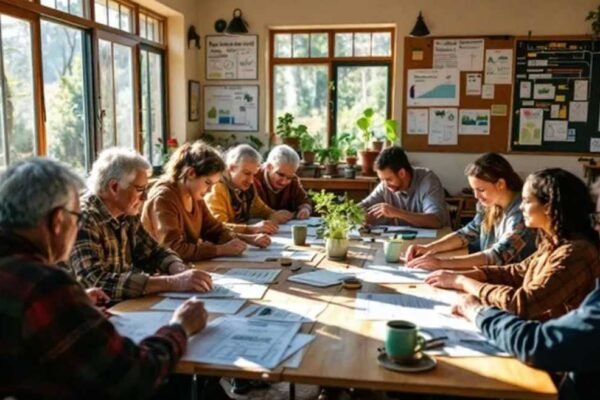
The Connection Between Growth and Freedom
Growth and freedom are deeply intertwined. When societies grow—economically, intellectually, and socially—they create space for individuals to live with more choice, dignity, and purpose. Growth isn’t just about wealth; it’s about expanding what’s possible for people. It gives them the ability to make decisions that aren’t dictated by survival or scarcity. Financial growth, for example, allows people to invest in education, health, and meaningful experiences instead of just paying bills. For individuals, it might mean gaining control over finances through better planning or tools like debt consolidation, while for societies, it means building systems that empower innovation, fairness, and opportunity. Growth creates freedom not because of what it buys, but because of what it enables.
Economic Growth as a Foundation of Choice
At the most basic level, economic growth creates options. It builds the infrastructure for people to access jobs, housing, and healthcare, but it also shapes how freely people can live. Without growth, choices shrink; survival replaces ambition. Economic freedom allows people to plan beyond the next paycheck, to dream and act with confidence. But the most sustainable kind of growth isn’t just about money—it’s about opportunity. When institutions invest in education, technology, and entrepreneurship, they don’t just grow economies; they expand the human spirit. The World Bank emphasizes that inclusive growth—growth that benefits people across all income levels—reduces inequality and strengthens social stability, leading to freer and more resilient societies.
The Role of Education in Expanding Freedom
Knowledge is one of the purest forms of power. When education is accessible, it becomes a catalyst for both personal and societal growth. It breaks cycles of dependency and allows individuals to shape their futures. Education doesn’t just prepare people for jobs; it teaches them to think critically, challenge systems, and make informed choices. That intellectual freedom builds the foundation for civic engagement and innovation. When a population is educated, it becomes harder to manipulate and easier to inspire. Growth that prioritizes education creates a society where people aren’t just earning—they’re evolving.
Financial Stability and Personal Liberation
On a personal level, growth shows up as the steady climb toward financial stability and independence. Building financial literacy, saving intentionally, and managing debt wisely all contribute to freedom. When people understand how to use their resources effectively, they stop being controlled by them. Financial freedom isn’t about having unlimited wealth; it’s about not being held hostage by financial pressure. Creating habits like consistent budgeting, saving for the future, and reducing debt are small but powerful forms of personal growth. They build confidence and reduce anxiety, giving people the freedom to focus on goals that matter rather than immediate survival.
Innovation as a Driver of Human Progress
Innovation thrives in environments that encourage growth. When societies invest in research, technology, and creativity, they empower individuals to solve problems and build solutions that uplift everyone. Innovation isn’t limited to science or business—it’s about reimagining systems that no longer serve people. For example, technological advances have democratized information, giving individuals access to knowledge and opportunities once reserved for the privileged. Growth fosters innovation, and innovation expands freedom by removing barriers—social, financial, and geographical—that once kept people trapped in limited realities.
The Social Impact of Growth
When growth is shared, it strengthens communities. Societies that grow together experience lower crime, better health, and stronger civic participation. People feel safer and more connected when their environment supports opportunity. Growth also promotes fairness by creating jobs, improving wages, and expanding access to essential services. It helps reduce desperation and fosters stability, giving people the foundation to pursue their aspirations rather than fighting to meet basic needs. The United Nations Development Programme (UNDP) notes that human development—rooted in economic and social growth—empowers people to lead lives of purpose and freedom, turning potential into progress.
Freedom Beyond the Financial
True freedom isn’t just about economic independence—it’s about mental and emotional space. Growth creates this kind of freedom by building security. When you’re not constantly worrying about money or survival, you can focus on personal development, relationships, and creativity. Growth encourages curiosity—it pushes people to explore, to take risks, to discover who they are and what they’re capable of. This kind of freedom enriches life beyond material success. It allows people to choose meaning over fear, contribution over consumption.
Balancing Growth with Responsibility
Of course, not all growth is equal. Growth without mindfulness can lead to exploitation, environmental harm, and inequality. That’s why sustainable growth—rooted in ethics and balance—is essential. Freedom isn’t just about expanding options but doing so responsibly. Sustainable growth ensures that progress today doesn’t compromise tomorrow’s potential. It demands that individuals, institutions, and societies work together to create systems that support long-term prosperity rather than short-term gain. Responsibility keeps freedom grounded in respect—for people, communities, and the planet.
Growth as a Continuous Journey
Growth and freedom aren’t endpoints; they’re ongoing processes. Every time a person learns something new, makes a better decision, or builds resilience through challenge, they experience a little more freedom. The same is true for societies. Growth allows cultures to evolve, adapt, and expand their capacity for empathy and inclusion. The most meaningful freedom comes not from escaping limits but from learning how to grow within and beyond them. When individuals and societies commit to growth—with integrity, innovation, and inclusion—they create freedom that endures. It’s not just about having more; it’s about becoming more.