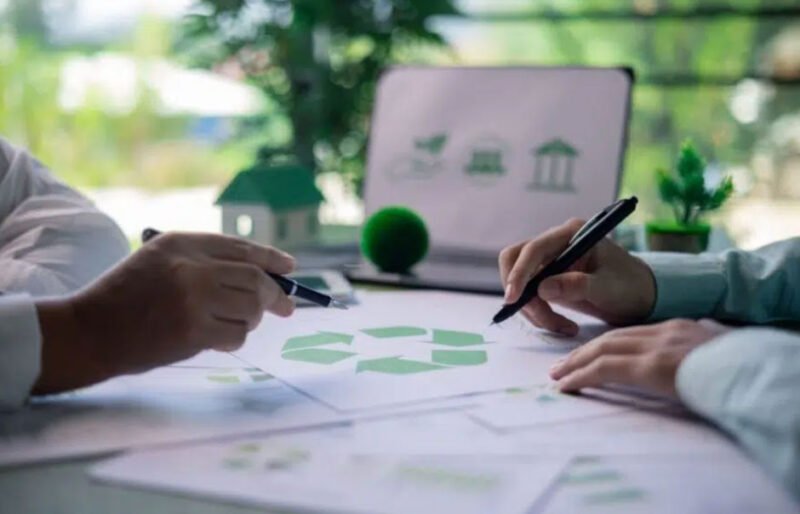
Businesses are adopting smarter digital systems to improve environmental accountability while strengthening operational efficiency across critical infrastructure. These changes reflect a broader shift in which organizations must integrate sustainable design, cleaner power flows, and responsible resource management into long-term planning.
Enterprises are now embracing structured approaches to reduce waste, optimize energy use, and modernize outdated operational frameworks. Many leaders are studying the best sustainability business for modern enterprises to understand how technology can support cleaner, more resilient operations.
To explore how intelligent tools are shaping this shift, continue reading this educational guide designed to help you evaluate future-focused opportunities.
Intelligent Electrical Systems Reshaping Operational Efficiency
Modern operations employ advanced electrical equipment, supported by Artificial Intelligence (AI) and Machine Learning (ML), to enhance performance tracking and improve energy efficiency across large facilities. These capabilities support a stronger sustainability practice by promoting accurate load distribution, reducing resource wastage, and reinforcing continuity in environments with variable consumption patterns.
Critical components such as switchgear, transformers, and protection relays also incorporate automated controls that enhance reliability and minimize failures. Predictive maintenance supported by Internet of Things (IoT) sensors continues to reduce unplanned downtime by monitoring component conditions across interconnected assets.
This integrated approach strengthens every organization’s broader sustainability strategy, reinforcing a sustainability practice that enhances transparency, improves asset health, and encourages long-term environmental responsibility.
Technology Trends that are Steering the Next Sustainability Shift
A fresh wave of emerging technologies is transforming how enterprises enhance environmental responsibility. Below is a structured list of the most influential trends shaping this shift that directly support evolving sustainability practice within modern operations.
1.AI and Analytics for Energy Optimisation
AI-driven forecasting enhances the accuracy of energy consumption evaluations, helping companies adjust power distribution and align their operations with improved sustainability practice across complex facilities.
2.IoT Sensors Enhancing Asset Monitoring
IoT infrastructure provides real-time data that supports improved asset reliability and promotes responsible resource management, aligned with broader sustainable priorities and advanced sustainability business.
3.Digital Twin Simulation for Predictive Planning
Digital twin systems simulate operational conditions to predict stress behavior and inform decision-making, thereby strengthening long-term sustainability practice frameworks within industrial and commercial settings.
4.Blockchain Systems for Transparent Carbon Verification
Blockchain platforms provide tamper-proof records that strengthen the credibility of carbon reporting and reinforce enterprise sustainability governance standards, supporting reliable sustainability business.
5.Smart Grid Technology Supporting Cleaner Energy Integration
Smart grids integrate distributed generation sources, enhancing stability and supporting a sustainability business roadmap focused on cleaner, more adaptable energy systems.
Circular Operations Enabled by Next-generation Technologies
Circular models are expanding as companies deploy advanced tools that extend the lifespan of electrical devices and minimize material waste. Automated recovery systems identify reusable components with high efficiency, reducing the environmental impact of discarded equipment.
Material recovery technologies retrieve metals and critical elements from outdated electrical instruments, supporting sustainable manufacturing cycles. These efforts strengthen a wider sustainability business initiative centred on accountability, resource preservation, and a well-established sustainability business.
Efficient reverse logistics support this model by allowing components to be refurbished or repurposed with minimal operational disruption. This approach strengthens long-term economic gains while also delivering meaningful ecological benefits.
Partner With a Reliable Electrical Brand Driving Sustainable Innovation
Organizations are strengthening grid infrastructure by deploying digital systems that enhance resilience, improve load forecasting, and enable precise planning under variable conditions. These tools support smarter decision-making and deliver stronger environmental outcomes without compromising operational reliability.
Collaboration across sectors improves risk management and accelerates the adoption of sustainability business frameworks aligned with evolving regulatory expectations.
Working with a trusted and reputable electrical brand further strengthens this approach by ensuring reliable, future-ready solutions. Integrating intelligent tools also reinforces grid adaptability during unpredictable demand cycles.
These combined actions support a forward-looking sustainability business model that prioritizes long-term value creation and responsible energy practices. Take the next step and explore how the right electrical partner can elevate your sustainability strategy.